
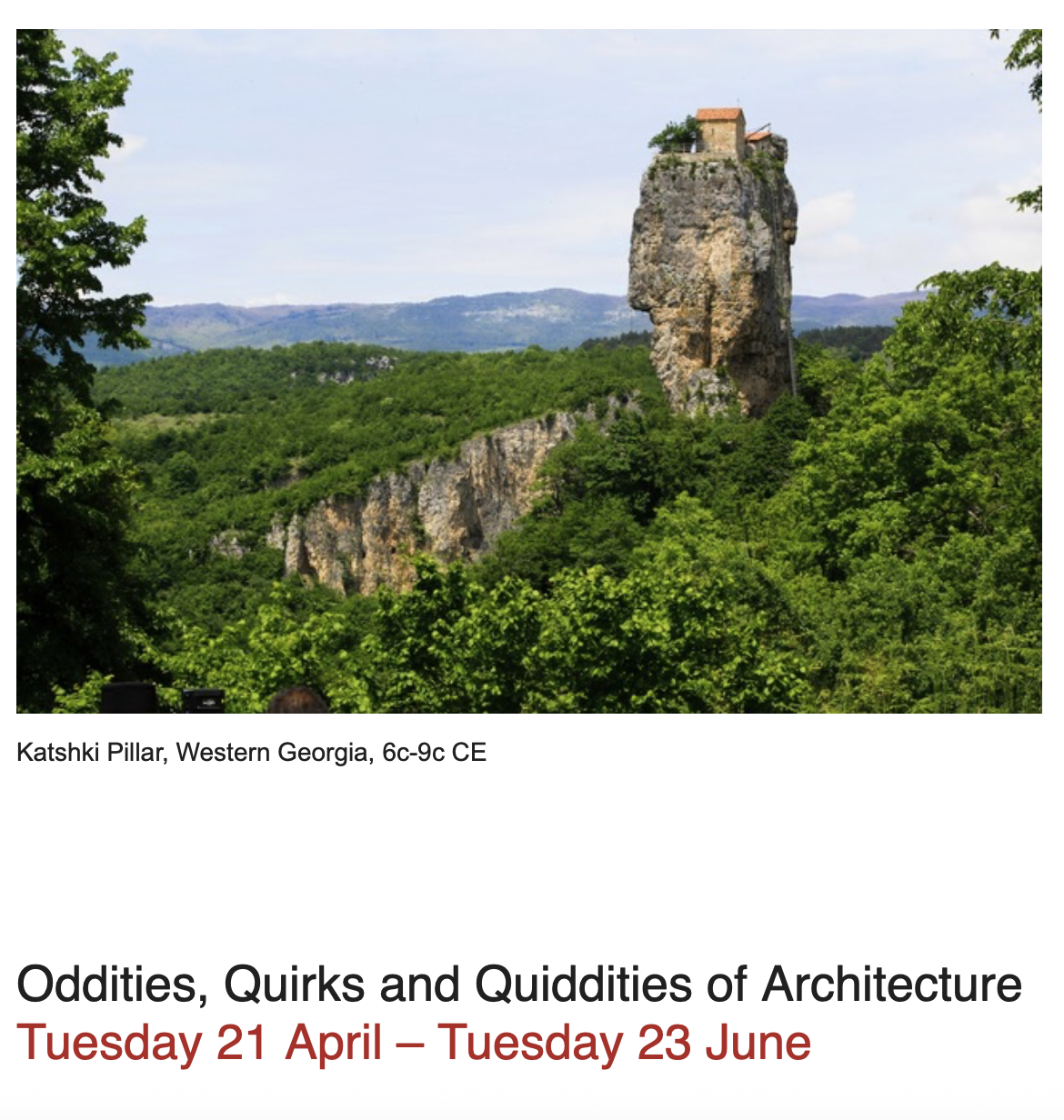
Utterly remarkable structures can be found as early as 3000 BCE if we look outside the paradigm of rectangularity in architecture history. A good example is in the Mediterranean, the Hypogeum of Malta, an underground burial temple where columns and curved roof structures have been dug out of the living rock. Why did the Neolithic architect feel the need for such beautifully-shaped columns and curves underground where few would see them? Even more remarkable, though Incan and so very much later, are the vast stones, twice or three times human height, jointed together to make great lengths of walls at Sacsayhuamán above Cusco in Peru. Why did the stones chosen have to be so huge? Surely it would have been easier to build a wall from stones that could be carried and even tossed? But such designers were not interested in ease. They were interested in expression, in eliciting the kind of emotional response that is usually denied by predictable rectangular geometry. Such structures reveal human delight in stepping outside the quotidian – to shock us into gasping, even smiling!
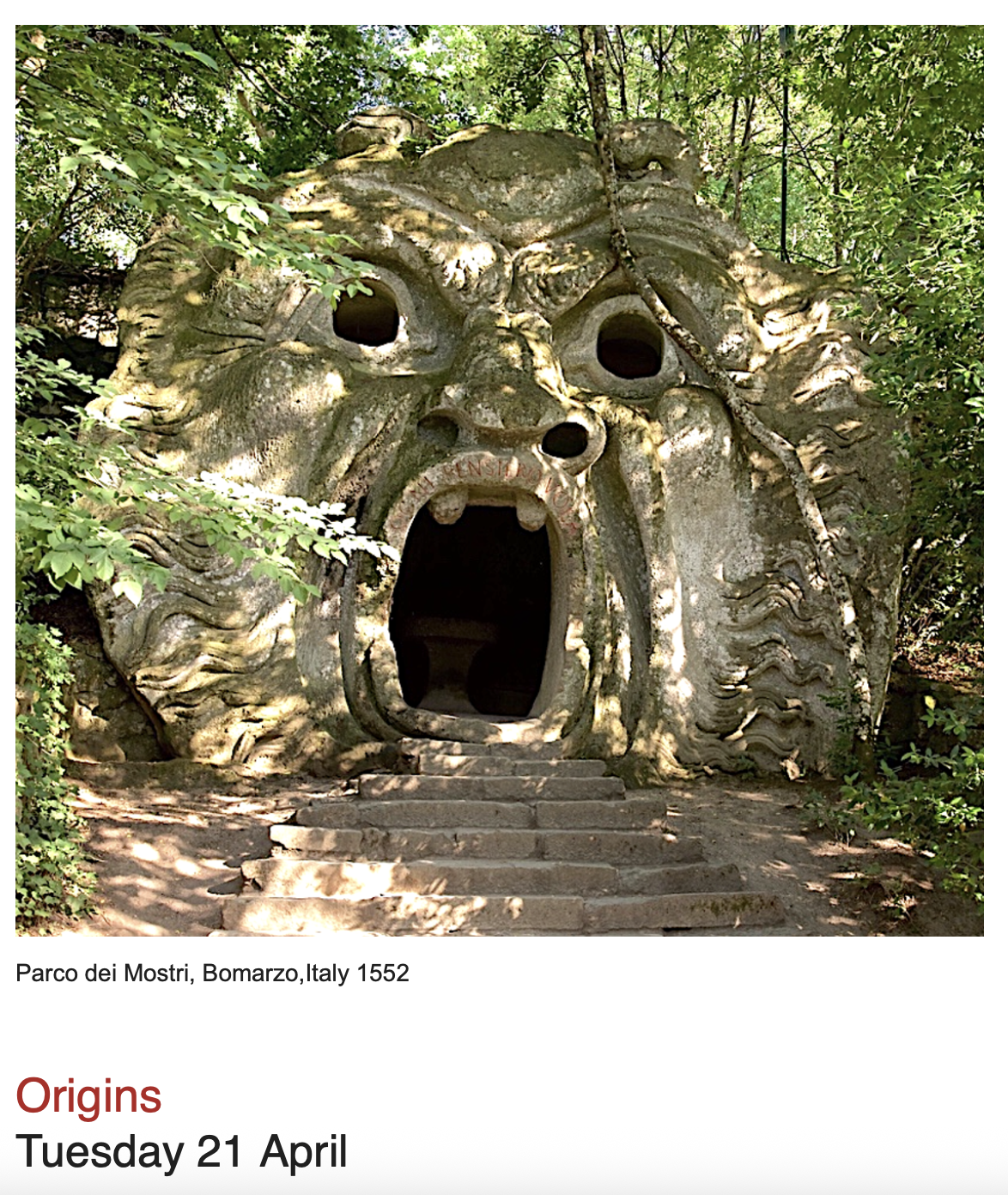
Some five centuries ago there began a great outflowing of creativity in structures for private parks and gardens: places where the artisan’s mind can roam free, unimpeded by constraints of conventionality. From the Italian Renaissance onwards, we find inexplicable garden features dotting the landscape: gaping mouths that the fearless are invited to enter; stone fake hermitages housing an actor who offers his philosophical views to anyone who would listen; artificial grottoes with their very own river gods; shell-covered rooms glistening with mother-of pearl; and sham ruins either as eyecatchers on the skyline or as reminders of ancient battles.
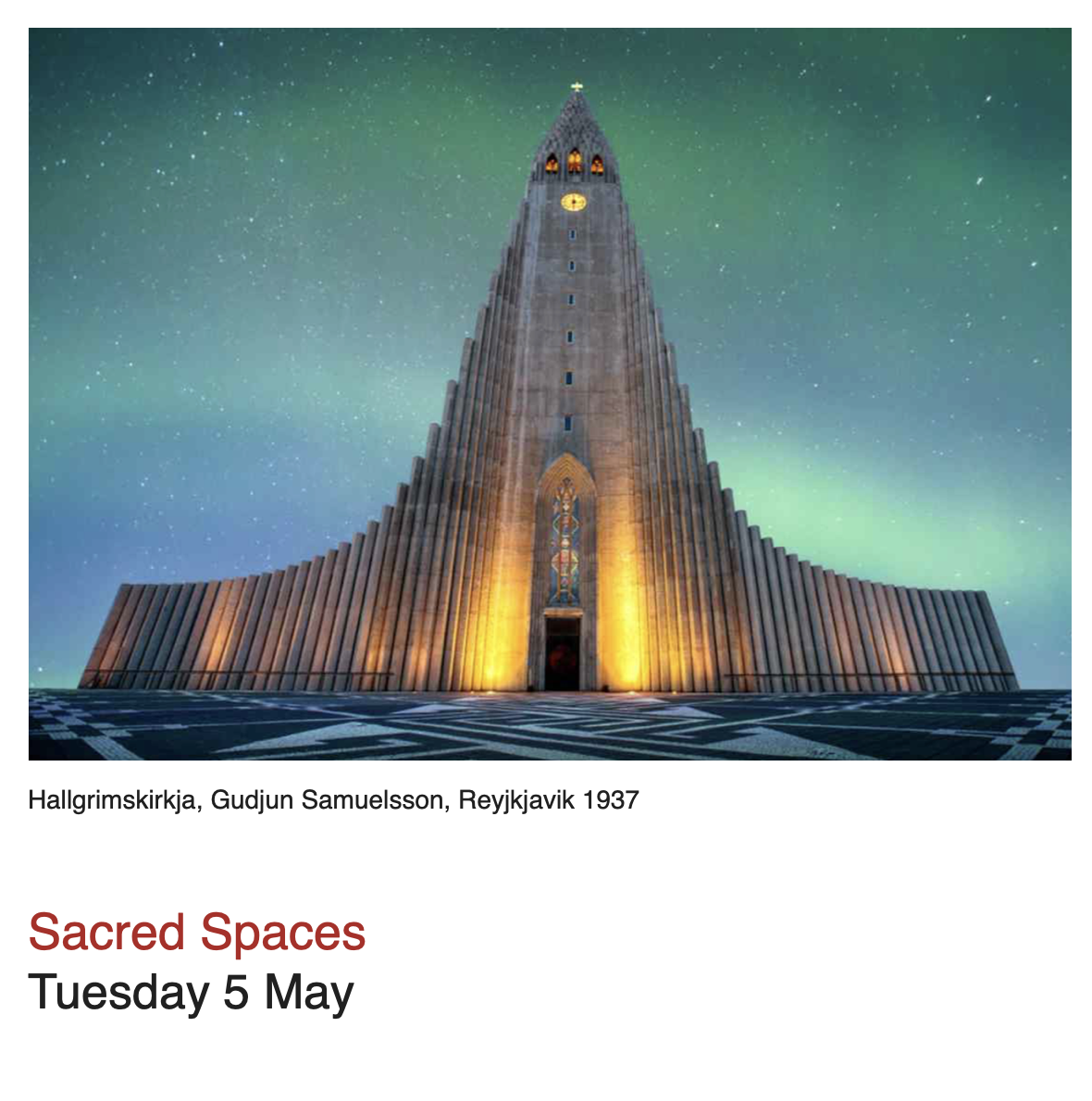
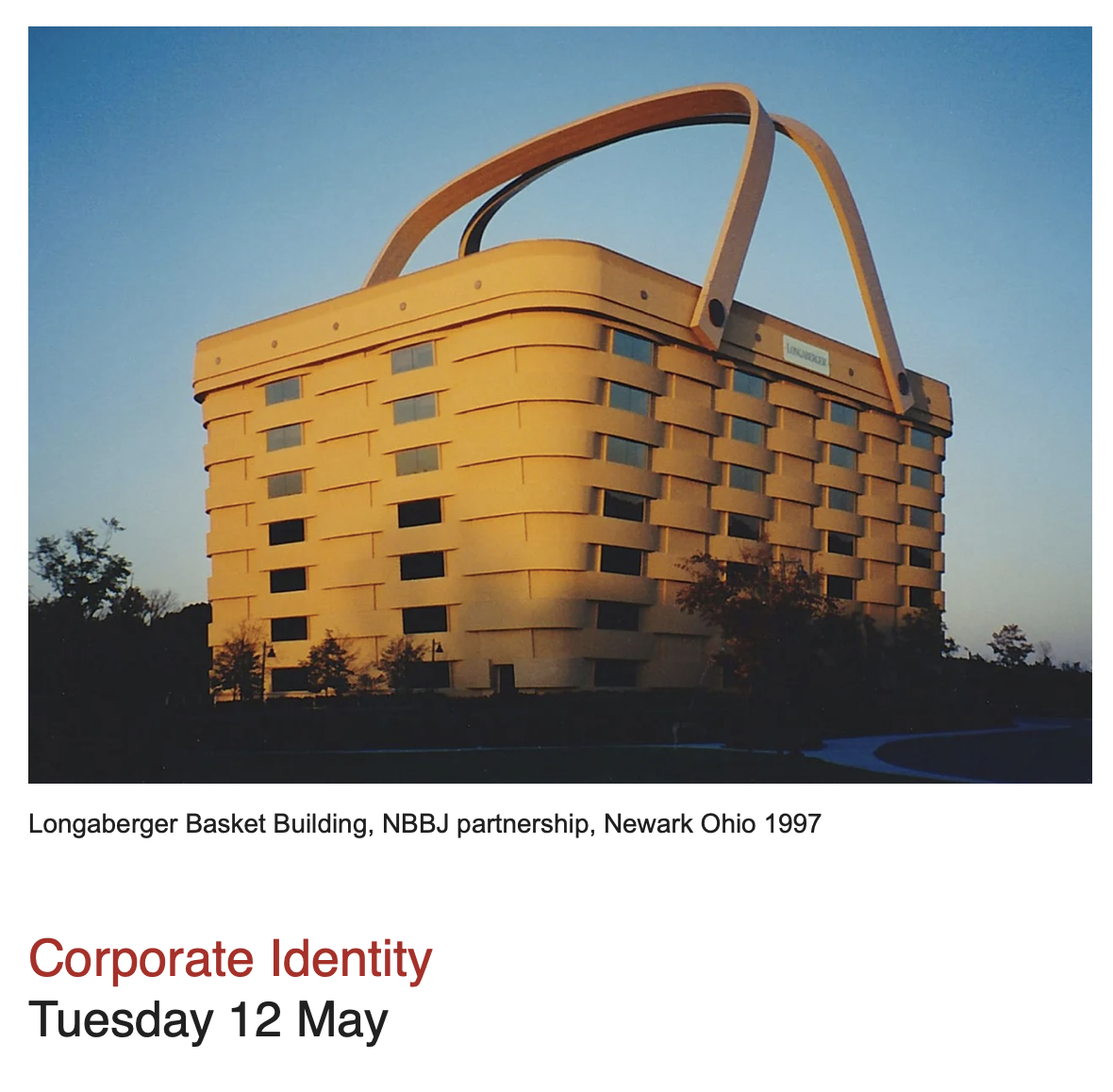
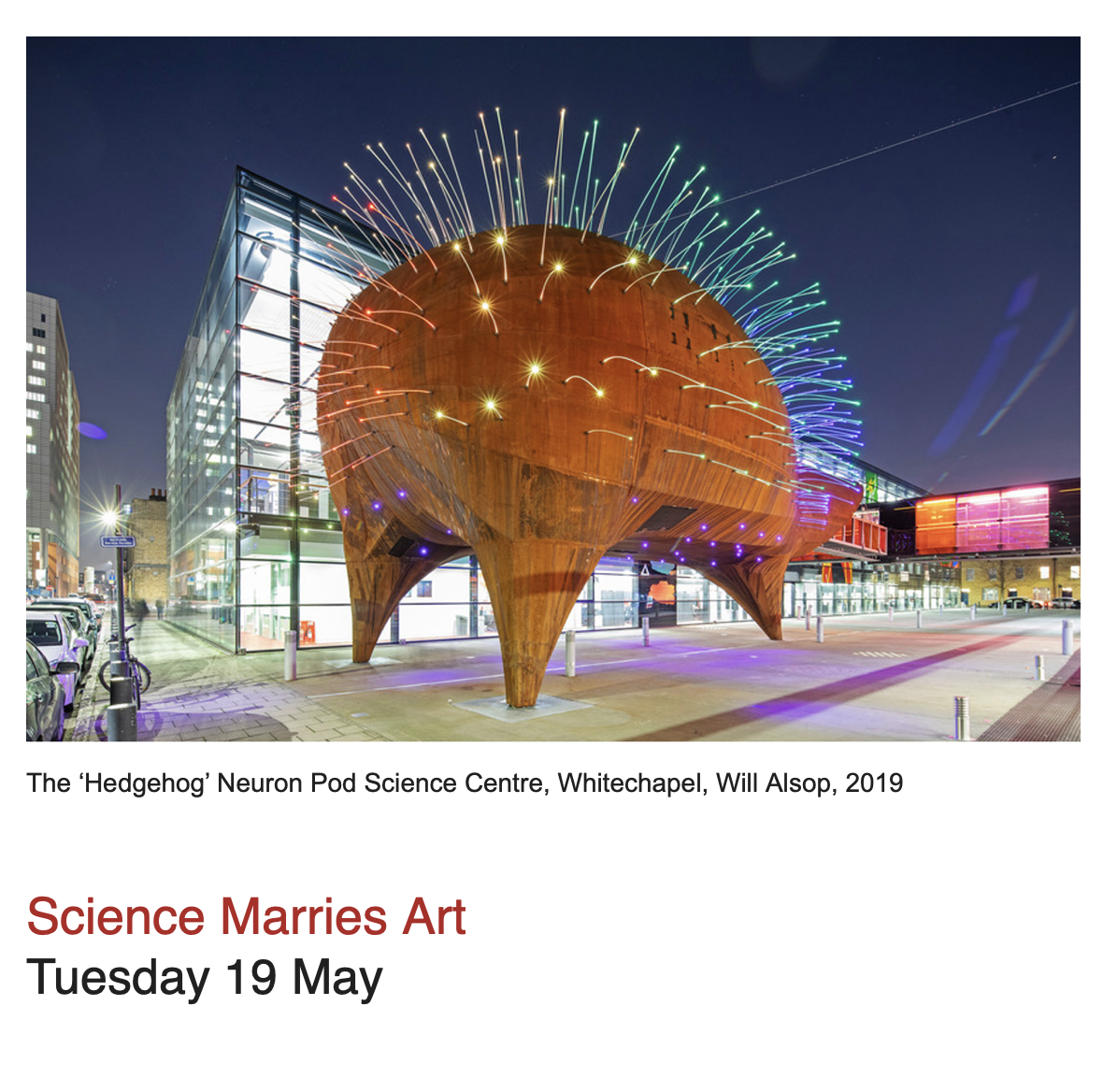
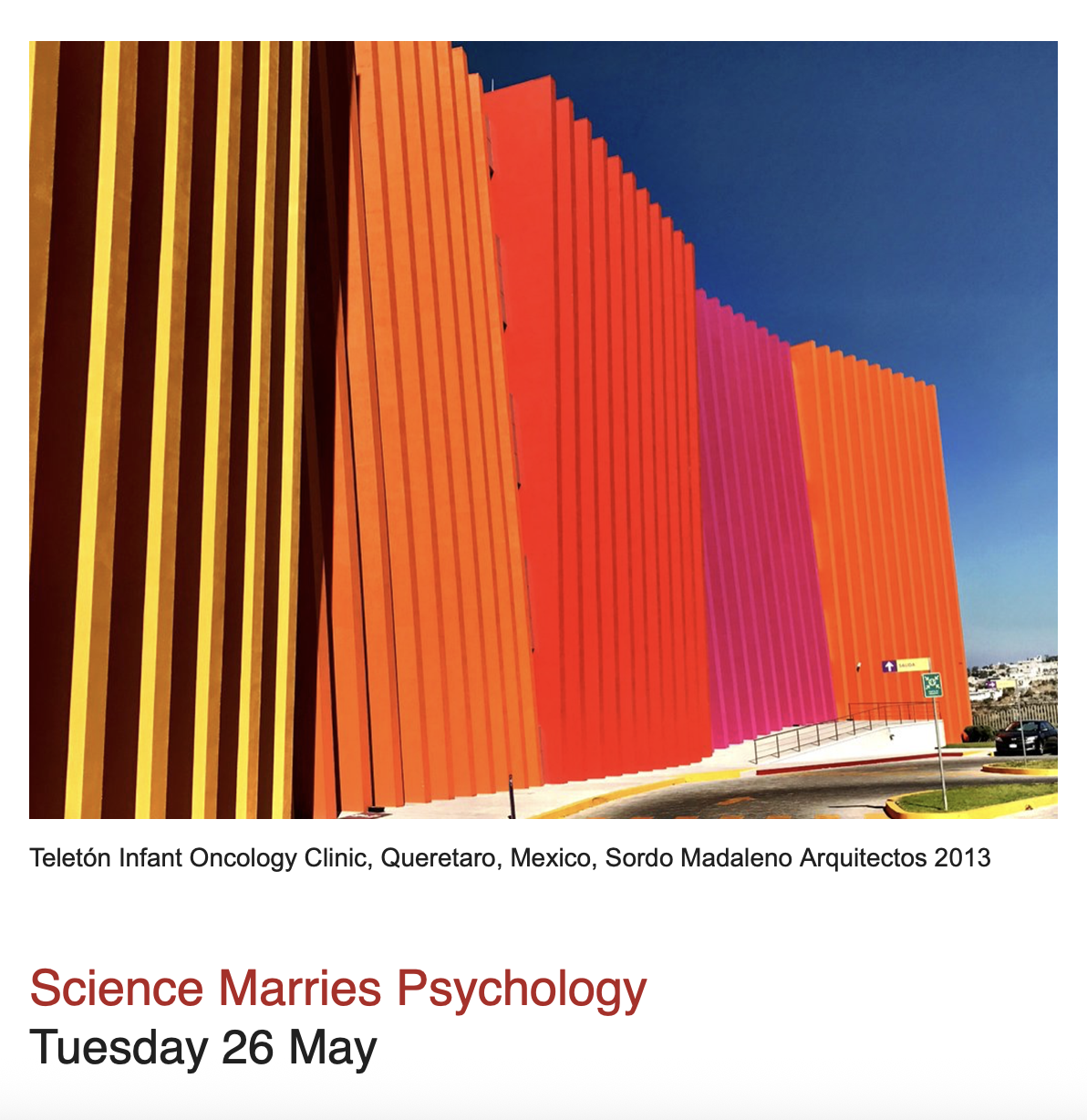
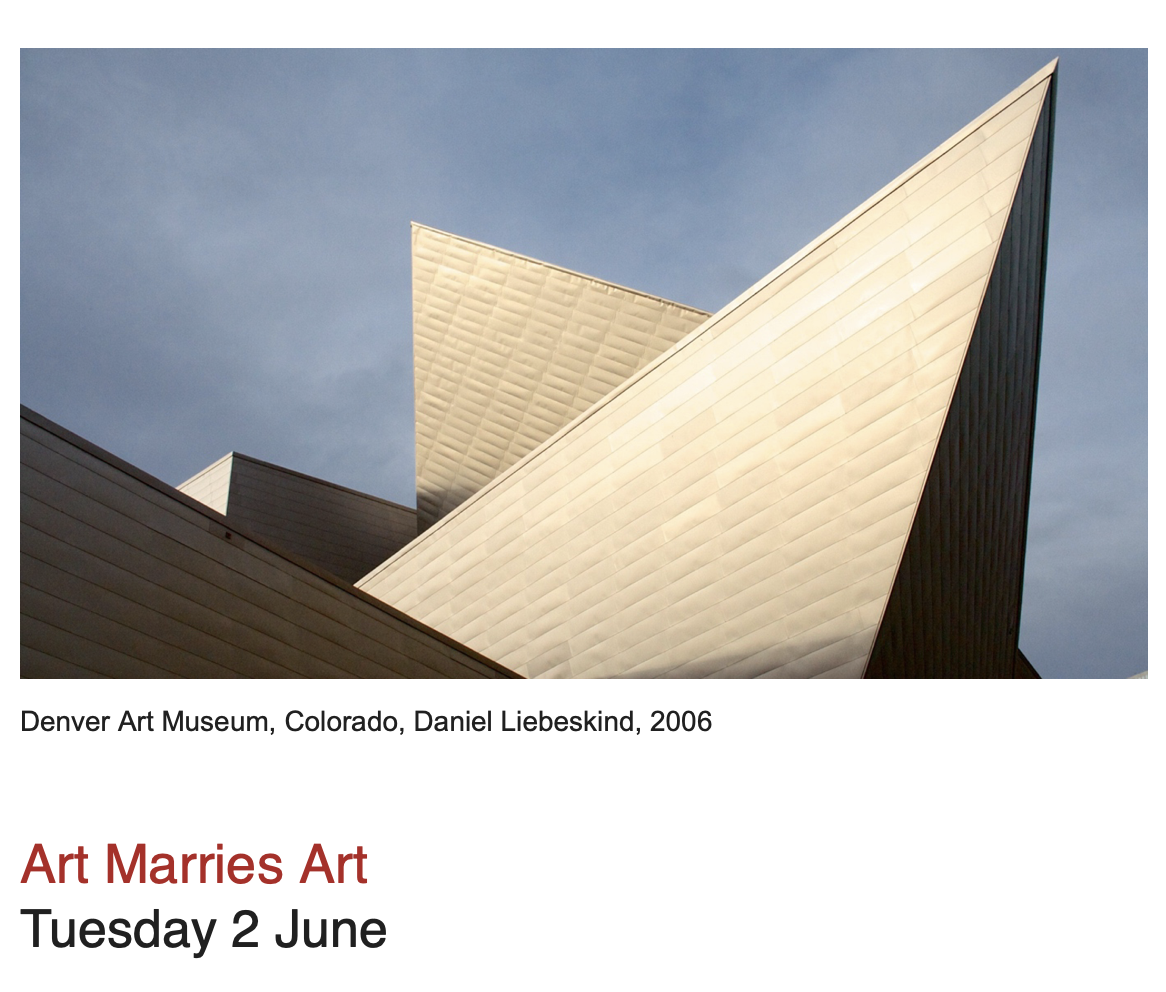
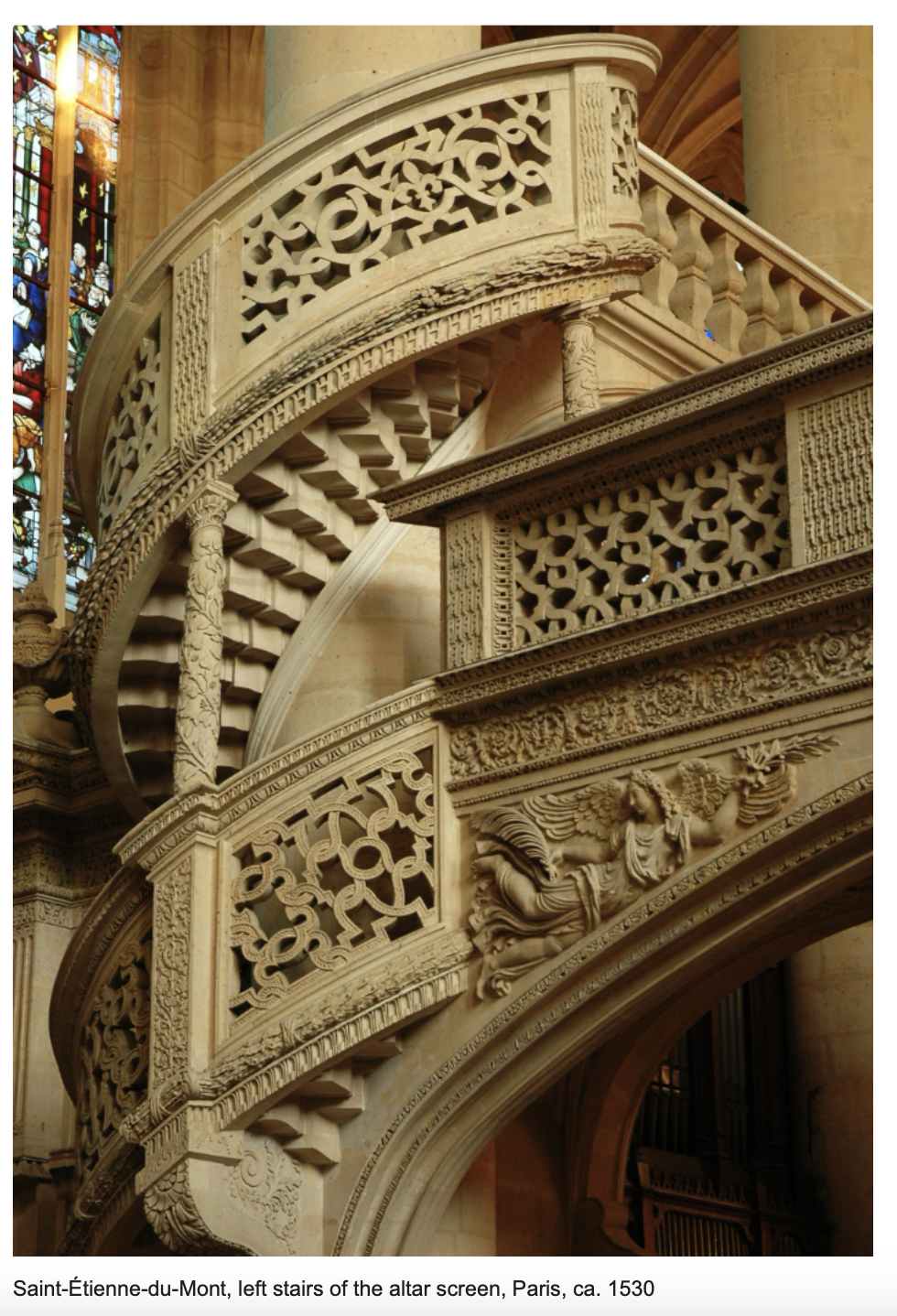
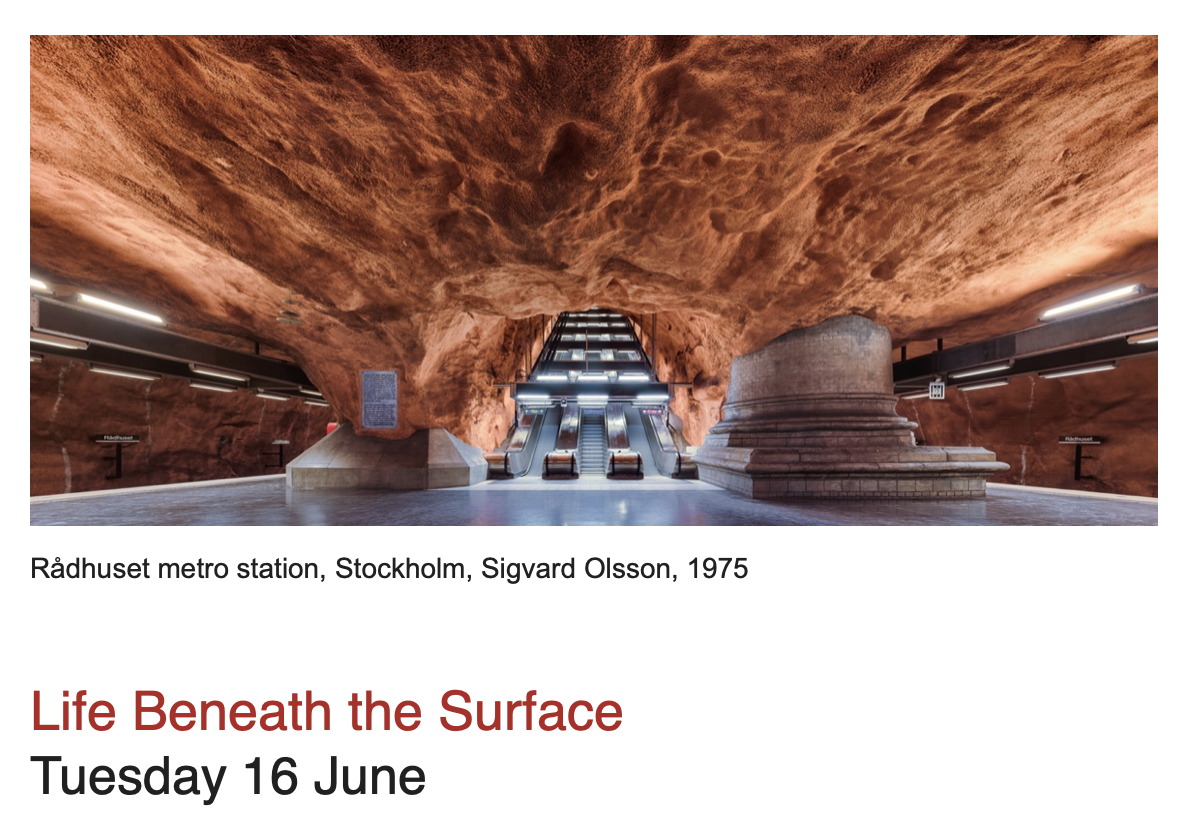
In more recent times, architects have been aided and freed up by developments in technology, from the reinvention of concrete to computer-aided design. Such technologies have paradoxically enabled architects to return to childhood pleasures of cutting, pasting, sticking: indeed that is exactly how the late and great Frank Gehry designed his greatest buildings, with pieces of silver-coated paper! By these means certain creative architects counter the modernists’ cries of ‘form follows function’ and ‘less is more’ with shouts of ‘form may express function but not always ’ and ‘more is more’. The results are increasingly seen all around us: thrilling churches like great cliffs of basalt; hospitals with pavilions in brilliant colours planned especially for children; headquarters of companies built in the form of their products, be they baskets or fish; colleges designed to wake up the sometimes hungover imaginations of their students; staircases, poetic and daring as well as functional; homes and other structures consciously built underground(not just metro stations); Galleries and museums designed as complements to the contents, as invitations to spend time in ‘other worlds’ of pure human creativity; houses built upside-down to echo the absurdities of the politics in which we now live or to offer an extreme sensory experience, or shapes like bodily organs to remind us of the soft machinery of life. These structures animate, thrill, intrigue and perhaps jolt us whenever we see them. Simultaneously they answer to their practical needs, providing shelter, homes, work, memorial or entertainment spaces, and to our yearning for something beyond the ordinary, far beyond the tedious grid of many an office or apartment block, beyond that ‘world that is too much with us’, something that makes us exclaim in excitement and delight! Please join us.


Information:::::::::::::::::::::::::::::::::::::::::::::::::::::::::::::::::::::::::::
‘Architectural Oddities’ is a Zoom course (for which we offer support to access) which has been developed, designed and edited by Louise Friend and will be presented by Nicholas Friend. It is held on Tuesdays, beginning on Tuesday 21 April until Tuesday 23 June 2026 at 5pm.
If you book for the course but cannot manage a particular date, then be assured we will be sending recordings of sessions to all registered participants. Each session meets from 15 minutes before the advertised time of the lecture, and each lasts roughly one hour with 15 minutes discussion.
COST:
£500 for members, £600 non-members for ten sessions.
All sessions are limited to 21 participants to permit a vibrant after-lecture discussion session.
Please make your payment to Friend&Friend Ltd by bank transfer to our account with Metrobank, bank sort code 23-05-80, account number 13291721 or via PayPal to nicholas@inscapetours.co.uk, or credit/debit card by phone to Henrietta on 07940 719 397 who is available on Tuesdays or Thursdays between 2-5 pm.
How to Set Up a PayPal account::::::::::::::::::::::::::::::::::::::::::::::::::::::::::::::
Click on this link: https://www.paypal.com/uk/home
In the upper right-hand corner of the screen, click “Sign up.”
On the following screen choose “Personal account” and click “Next.”
On the next page, you’ll be asked to enter your name, email address and to create and confirm a password. When finished, click “Next.”
Click “Agree and create account” and your PayPal account will be created.
How to Connect your Bank Account to your PayPal account:::::::::::::::::::::::
Log on to your account and click the “Wallet” option in the menu bar running along the top of the screen.
On the menu running down the left side of the screen, click the “Link a credit or debit card”.
Enter the card information you wish to link to your PayPal account and click “Link card” for debit card.
How to Send Money::::::::::::::::::::::::::::::::::::::::::::::::::::::::::::::::::::::::::::::::
Log on to your account. Click Send & Request.
Enter the email address of the person you wish to send money to: nicholas@inscapetours.co.uk
Type in the amount you wish to send, click continue then press ‘Send Money Now’.
 INSCAPE CULTURAL STUDY SOCIETY