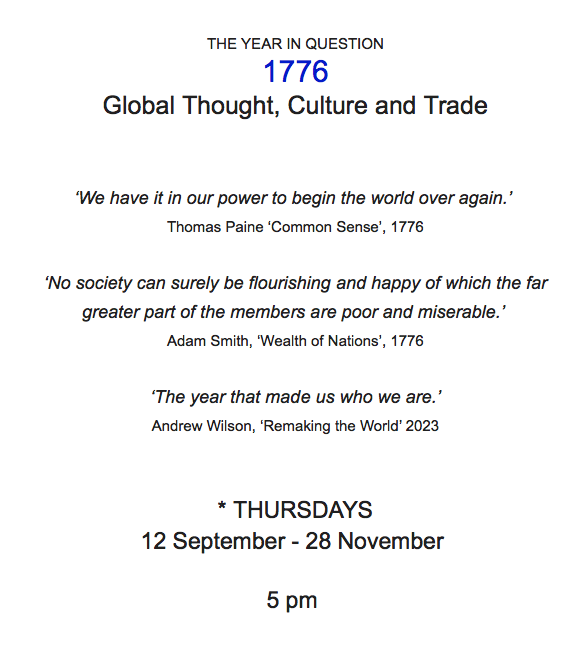
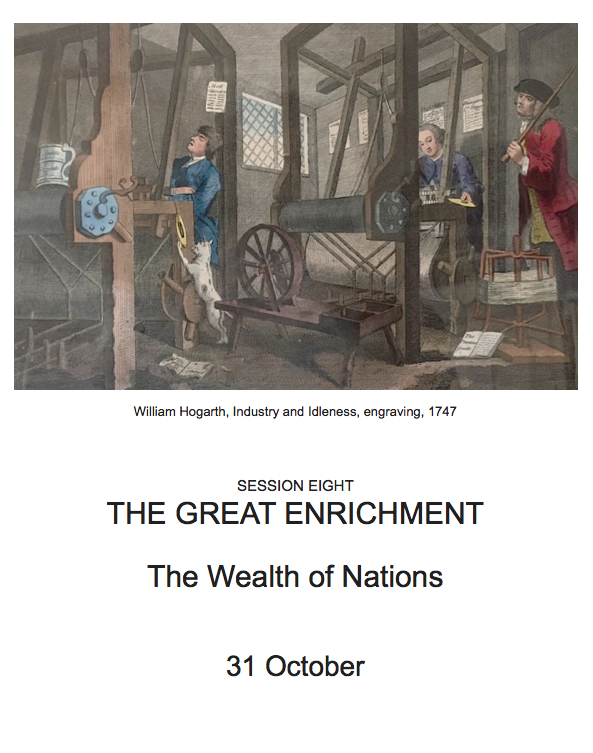
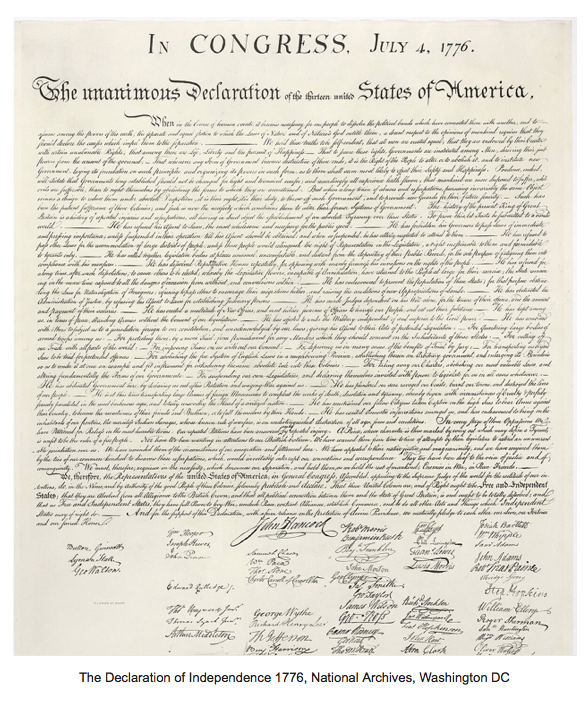
Just as there is more to the year 1492 than Columbus sailing the oceans blue, so there is more to the year 1776 than the reading of the Declaration of Independence from a balmy balcony in Philadelphia. That most eloquent text was not the only insightful publication that year. In fact, the American Revolution might not have taken place without the publication of Thomas Paine’s utterly radical ‘Common Sense’, or Adam Smith’s refutation in his ‘Wealth of Nations’ that the path to great wealth resided in gold and silver. That same year, Edward Gibbon blamed Christianity for the decline of the Roman Empire. Then David Hume attacked the notion of the afterlife!
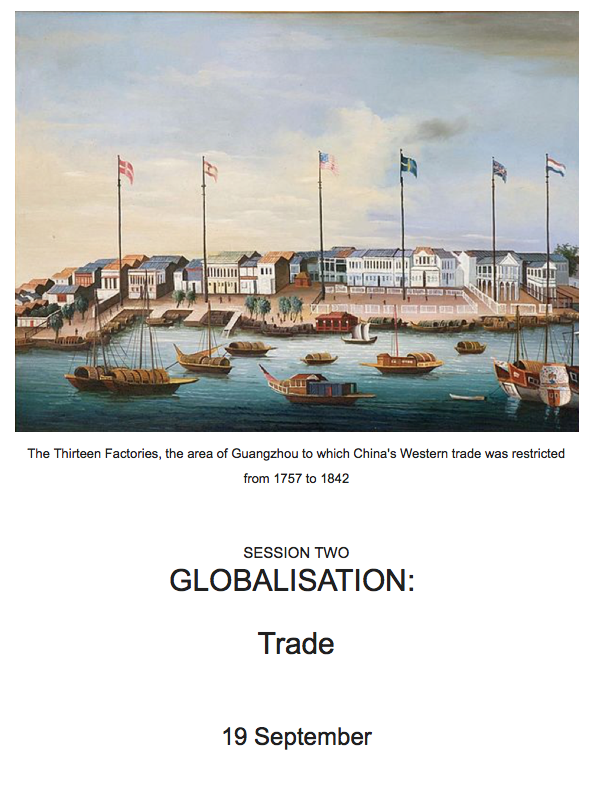
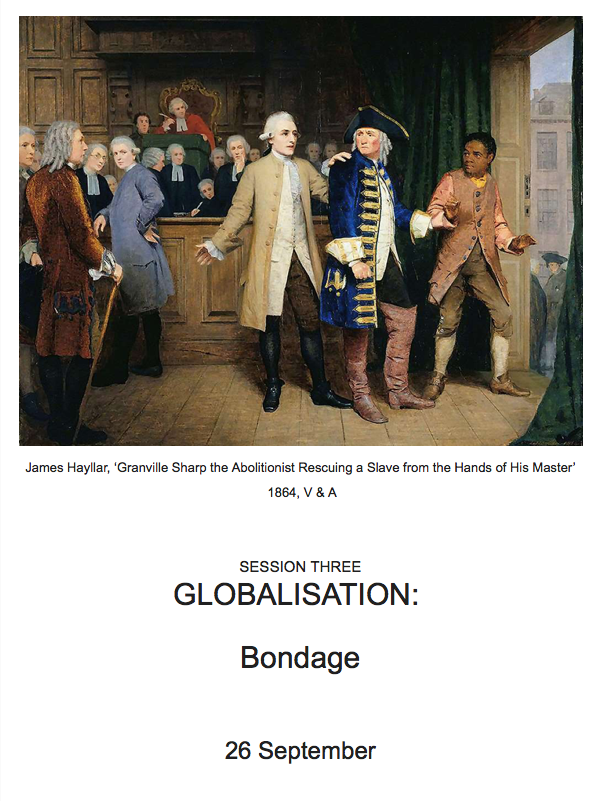
Meanwhile, Columbus’ great Empire of Cathay, China on which he had relied for so much future trade had turned its back on the West by 1776. The forces of trade are ever adaptable, so the lucrative trade in human beings from West Africa to Eastern America (instigated by Columbus’ contemporaries) replaced a reliance on trade with the East. Meanwhile, Granville Sharp and the Clapham Sect pushed back hard to abolish that very slavery on which the early history of America so depended. The pendulum certainly was swinging that year…..
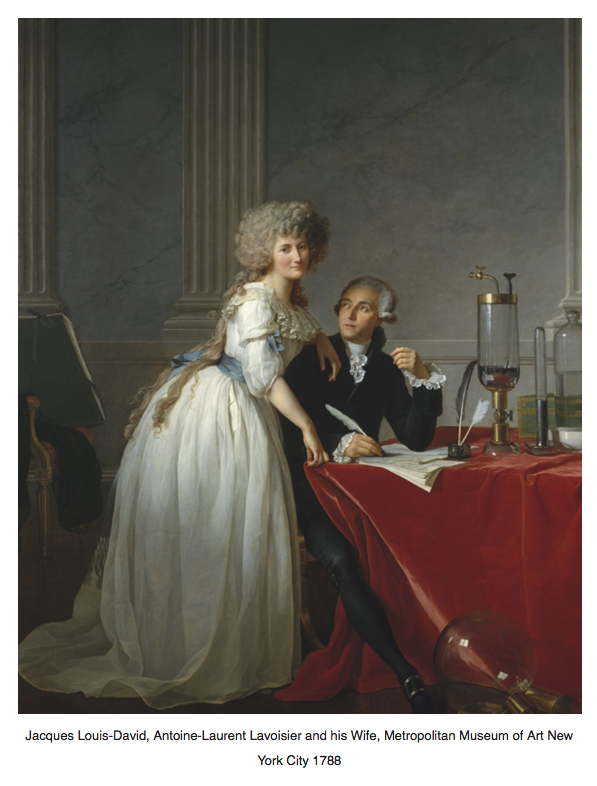
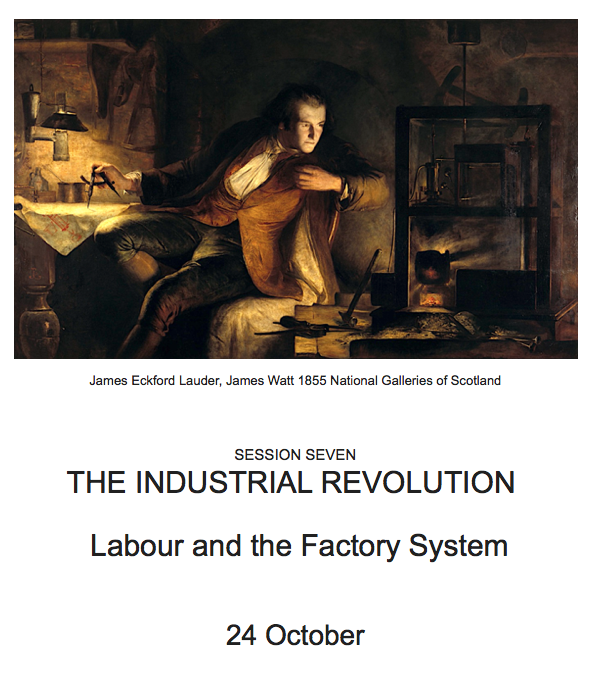
Britain might not have survived without its vibrant American colony had it not been for the energy of its inventions in the Industrial Revolution of 1776, including Watt’s steam engine and the building of Arkwright’s mightiest cotton mill. Vaccination, the copying machine, the eraser, the canal lift, the S-bend toilet, the submarine, and the sublime pleasure of solitary walking: all were the inventions of remarkable humans with the abundant intelligence, creativity, and drive of the mid-1770s.
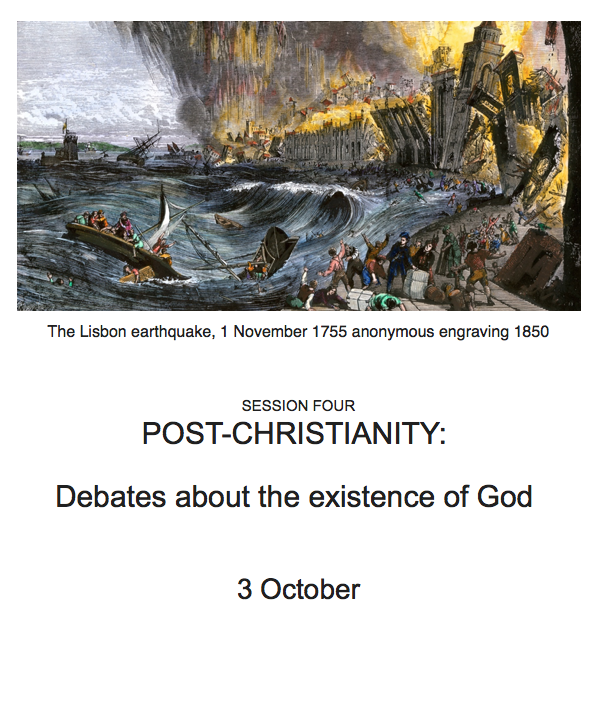
Many were the myths that were unmade: that god is omnipotent; that women and people of colour (more than half the population of the globe) were incapable of intellectual achievement; that the world was created on the eve of October 23rd 4004 BC. Fortunately, spontaneous combustion of minds that year set off revolutions in thought and action followed by an uptick in global evolution. Indeed, we may conclude that we owe much of our current thinking and beliefs to what took place in 1776.
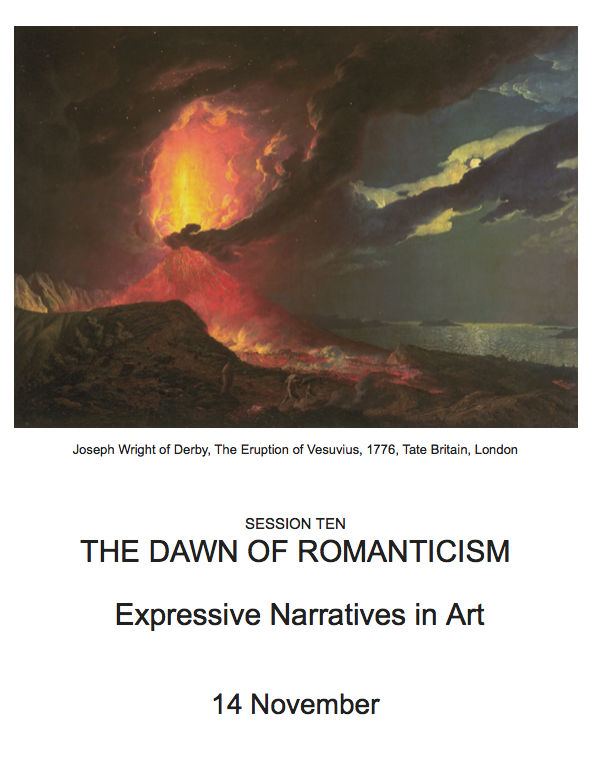
Indeed, so carried away was he by the developments in that year that one writer on the period, the author Andrew Wilson, sees 1776 as the year of origin for Globalisation, the rise of Post-Christianity, the Enlightenment, the Industrial Revolution, the Great Enrichment, and the Dawn of Romanticism. He suggests that many of the events, publications and inventions of that year explain our modern approaches to religion and wealth as well as our current shared values in human rights, free trade, and liberal democracy. We borrow his assertions as anchor-points to guide our consideration of that year. Our autumn course of twelve sessions will attempt to do justice to the vital importance of this particular year around the globe.
Please join us for our armchair journey through the labyrinths of the past and safely back out again to present time. We look forward to being together at this particular time of year as all around us we hear the soft drumbeat of students on the march back to the halls of Education. The light is softening both here in California, the land of six months of brilliant blue skies, followed by a mild wet season, and in the UK as Winter quietly beckons from behind the glories of autumn. Let’s pour a glass of wine, or a steaming cup of tea, and join Nicholas Friend presenting an Englishman’s view of a year of huge importance not just in America, but across the world.



Booking Information:::::::::::::::::::::::::::::::::::::::::::::::::::::::::::::::::::::::::::
The Year in Question: 1776 has been developed by Louise Friend and will be presented by Nicholas Friend. It is held on Thursdays, beginning on Thursday 12 September 2024 at 5 pm and ending on Thursday 29 November 2024 at 5 pm. Please note the time of 5 pm: Nicholas will be lecturing from California (at 9 am his time) for the duration of this course.
You may choose to attend individual sessions or all twelve. If you book for the course but cannot manage a particular date, then be assured we will be sending recordings of sessions to all registered participants. Each session meets from 15 minutes before the advertised time of the lecture, and each lasts roughly one hour with 15 minutes discussion.
COST £50 per session, £600 for all twelve for members, £60 and £720 for all twelve for non-members. All sessions are limited to 21 participants to permit an after-lecture discussion session.
How to Set Up a PayPal account::::::::::::::::::::::::::::::::::::::::::::::::::::::::::::::
Click on this link: https://www.paypal.com/uk/home
In the upper right-hand corner of the screen, click “Sign up.”
On the following screen choose “Personal account” and click “Next.”
On the next page, you’ll be asked to enter your name, email address and to create and confirm a password. When finished, click “Next.”
Click “Agree and create account” and your PayPal account will be created.
How to Connect your Bank Account to your PayPal account:::::::::::::::::::::::
Log on to your account and click the “Wallet” option in the menu bar running along the top of the screen.
On the menu running down the left side of the screen, click the “Link a credit or debit card”.
Enter the card information you wish to link to your PayPal account and click “Link card” for debit card.
How to Send Money::::::::::::::::::::::::::::::::::::::::::::::::::::::::::::::::::::::::::::::::
Log on to your account. Click Send & Request.
Enter the email address of the person you wish to send money to: nicholas@inscapetours.co.uk
Type in the amount you wish to send, click continue then press ‘Send Money Now’.
 INSCAPE CULTURAL STUDY SOCIETY